Julian Drago
February 2, 2026

Starting a business in the United States is an exciting milestone for any entrepreneur, but the true key to long-term success lies in impeccable tax management. Understanding the 2026 tax calendar is not just a matter of complying with the law; it is a vital financial strategy to avoid penalties, optimize cash flow, and maintain your company's good standing with the Internal Revenue Service (IRS).
In this fiscal year, there are critical dates that vary depending on your business's legal structure—whether it is an LLC, a C-Corporation, or an S-Corporation—and knowing them in advance will allow you to operate with the peace of mind your business vision deserves.
The complexity of the U.S. tax system can be overwhelming for those unfamiliar with its specific deadlines and forms. In 2026, the calendar features important adjustments because certain traditional deadlines fall on weekends or federal holidays, shifting the due dates to the next business day.
This article details comprehensively what you must consider to stay up to date, from January's information reports to annual filings and quarterly estimated payments. With proper planning, tax compliance will cease to be a burden and become an orderly and predictable process.
The first quarter of the year is undoubtedly the most critical period of the 2026 tax calendar. Depending on how your business is registered, your primary deadline may be in March or April. It is essential to identify your structure to avoid unintended delays.
For partnerships, multi-member LLCs taxing as partnerships, and S-Corporations, the deadline to file informational returns is March 16, 2026. Although the standard deadline is March 15, in 2026 this day falls on a Sunday, so it is automatically extended to the following Monday.
For C-Corporations and individual taxpayers (including owners of Single-Member LLCs), the key date is April 15, 2026. This is the quintessential "Tax Day" in the United States.
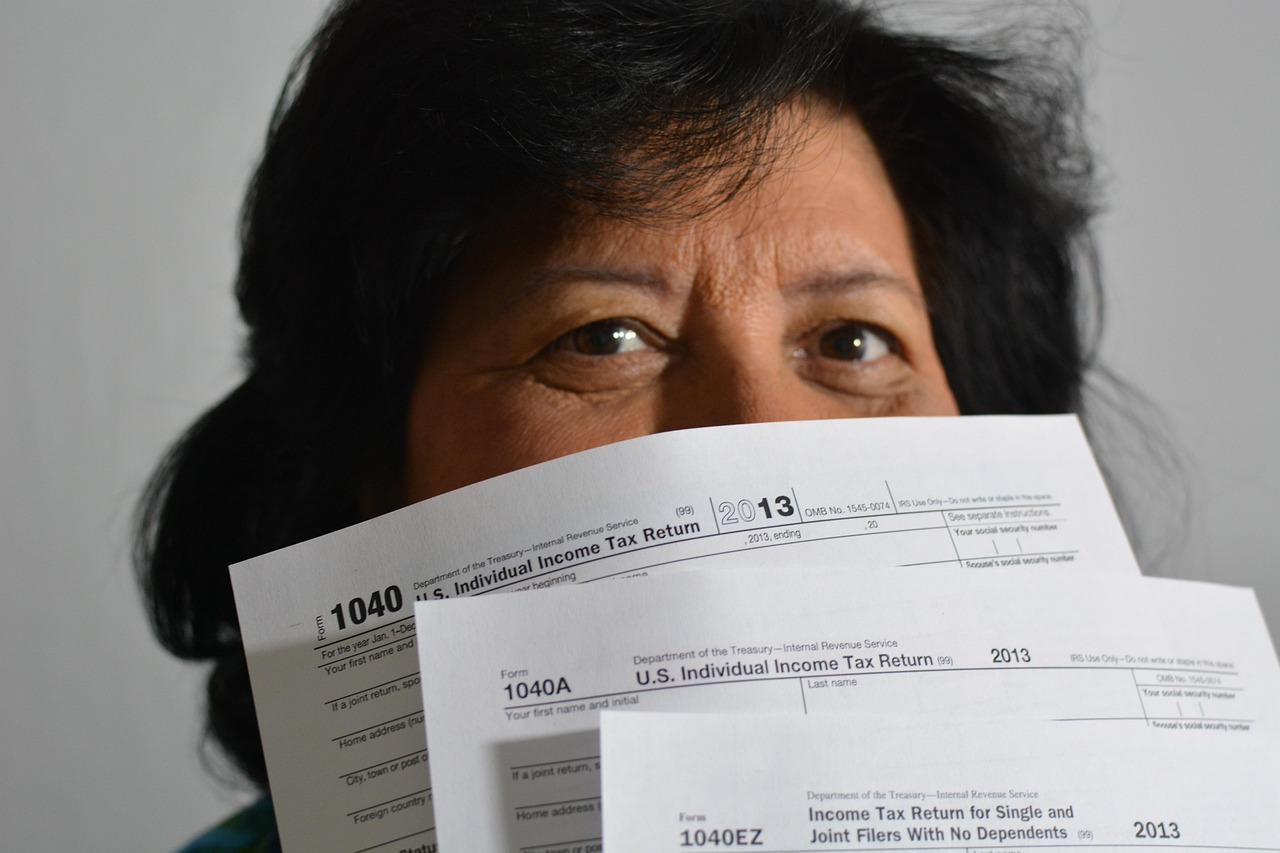
Beyond the annual return, the 2026 tax calendar requires constant vigilance through estimated tax payments. The IRS requires businesses and freelancers who expect to owe more than $1,000 in taxes to make quarterly payments to avoid underpayment penalties throughout the year.
These payments are made using Form 1040-ES or the EFTPS electronic system and follow this schedule:
Before income tax filings, businesses have an obligation to report payments made to employees and contractors during the previous year (2025). Deadlines are very strict at the beginning of 2026:

If for any reason your business cannot complete the documentation on time, the U.S. tax system allows for an extension request. However, there is a common mistake many entrepreneurs make that can be costly: confusing an extension of time to file with an extension of time to pay.
To obtain an additional six months, you must file Form 7004 (for businesses) or 4868 (for individuals) before your original deadline.
As 2026 draws to a close, it is essential to conduct a financial review to take advantage of available deductions. Actions such as purchasing necessary business equipment, contributing to business retirement plans (like a SEP IRA), or adjusting payroll withholdings can significantly reduce the final tax burden. Maintaining an organized digital record throughout the year is the best tool to ensure no legal savings opportunities are missed in your 2026 tax calendar.
Navigating the 2026 tax calendar doesn't have to be a solo battle. At OpenBiz, we specialize in helping international entrepreneurs register their companies in the United States and maintain their structures in full compliance. From obtaining your EIN to advising on the most efficient tax structure, our team is ready to simplify your path to success in the world's largest market.
Ready to formalize your company or need help with your tax obligations? Contact OpenBiz today and secure the future of your business.
The IRS applies "failure to file" and "failure to pay" penalties. The penalty for not filing is usually much higher (up to 5% per month on the tax owed), so it is always advisable to file the return or request an extension, even if you cannot pay the full amount immediately.
By default, a single-member LLC is considered a "disregarded entity." This means the business income is reported directly on the owner's personal tax return (Form 1040, Schedule C) by April 15.
Yes, the IRS recommends and prefers the use of electronic systems. For payments, the EFTPS (Electronic Federal Tax Payment System) is the standard for businesses, allowing you to schedule payments and maintain rigorous control over tax calendar obligations.



Concierte una reunión virtual gratuita con nuestro equipo de expertos.
Programar una reunión
Compare precios y elija el plan ideal para su empresa.
Ver planos y precios