Julian Drago
November 11, 2025
When you think about taxes in the United States, the IRS and federal taxes usually come to mind first. But if you want to operate seriously in this country — whether with a company, an online store, or professional services — understanding state taxes is just as important.
Each state has its own rules, its own rates, and in many cases its own forms and procedures. And if you don’t take them into account from the beginning, you may end up paying too much, filing incorrectly… or accumulating debt without even realizing it.
In this article we explain, in plain language, what state taxes are, what types exist, how they relate to local taxes, and what you should keep in mind if you are a foreign entrepreneur wanting to start or already operating a business in the U.S.
State taxes are those collected by each U.S. state independently of the federal government. This means that in addition to your obligations with the IRS, the state where you operate or generate income may impose its own taxes on:
Not all states collect all of these taxes. Some have no state income tax, others have high rates, and others balance low income tax with strong taxes on sales or property.
That is why choosing the state where you register your business is not just a legal decision — it is also a strategic fiscal decision.
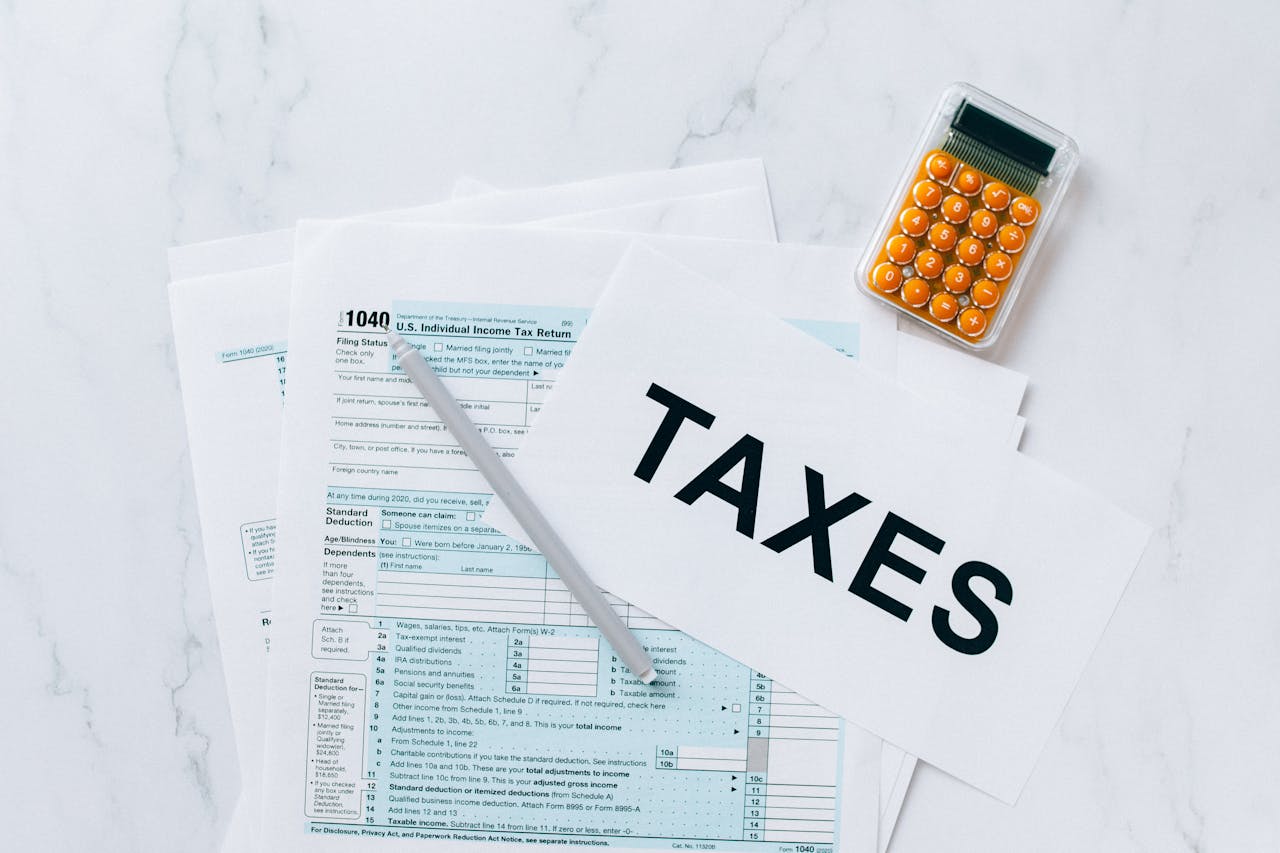
To get the full picture, it’s important to distinguish the three levels:
Federal taxes:
Collected by the U.S. federal government through the IRS. They apply nationwide, with uniform rules across the country (for example, the federal income tax).
State taxes:
Set by each state. These may include state income taxes, sales taxes, and other types of taxes. Rates and exemptions vary from one state to another.
Local taxes (county/city):
In many cases, counties and cities add their own taxes on sales or property, which are applied on top of the state taxes.
If you sell in a state with a sales tax, for example, you may end up charging the customer a combined rate made up of the state tax + local tax.
Many states charge an additional income tax on top of the federal tax. This can affect both:
Key points that matter if you’re a foreign entrepreneur:
This is why, when you set up a business in the U.S., it’s not enough to look only at IRS requirements—you also need to review whether the state where you establish your company charges state income taxes and how they apply to you.
Sales tax is one of the most visible state taxes in day-to-day life:
If you sell physical products or taxable services to customers in a state where this tax exists, you will likely be required to:
More and more, states also regulate online sales and may require a business with no physical presence—but with a certain volume of sales in that state—to collect and remit state sales tax.
In the United States, property taxes (especially on real estate) are often managed at the local level (city or county), but they are considered part of the broader state and local tax landscape that can affect your operations:
If your strategy includes real estate investment or buying facilities in the U.S., these taxes must be factored into your projections from the beginning.
In some cases, you may receive state tax refunds (for example, because you overpaid or because the state implements special refund or support programs).
In general:
Although the exact treatment is evaluated case by case, what matters is understanding that state taxes—and their refunds—can also affect your federal tax picture and should be recorded properly.

Each state has its own tax authority and its own channels to file and pay state taxes:
In many states, you’ll also find:
If you live outside the U.S. but want to sell, invoice, or set up a business there, state taxes can significantly change your real scenario:
Common mistakes include:
If you want to avoid surprises, here are some basic practices that help a lot:

No. Some states do not have a personal state income tax, others apply it to individuals but not to certain entities, and others tax both personal and corporate income. That’s why choosing the right state is so important.
Not necessarily. Even if a state has no income tax, it may have:
Additionally, if you sell to other states, you may generate tax obligations there as well.
No. More and more states apply sales tax to online sales and remote transactions if certain volume or economic presence criteria are met. Even without a physical location, you may be required to collect and remit sales tax in specific states.
It depends on the state where you operate and the type of tax:
The best approach is to review the official website of the state’s tax authority and, most importantly, structure your company correctly from the start so your obligations are clear and manageable.
State taxes are a key part of the U.S. tax landscape. Ignoring them can be costly; integrating them intelligently into your structure can make your business much more sustainable.
At Openbiz, we help you create your company in the United States and organize the administrative and tax aspects in a way that aligns with your goals and with each state’s rules. If you want to operate in the U.S. with clarity, minimize risks, and make the most of this market’s advantages, contact us—we’ll guide you step by step through the process.



Concierte una reunión virtual gratuita con nuestro equipo de expertos.
Programar una reunión
Compare precios y elija el plan ideal para su empresa.
Ver planos y precios